
Table of content
- Trending Hardwood Stain Colors This Year
- Which Stain Colors Work with Different Wood Types
- What to Consider Before Choosing Your Floor Stain Color
- Methods for Applying Floor Stain
- 1. Wipe On/Off
- 2. Brushing
- 3. Rubbing
- 4. Layering
- Maintaining Stained Floors
- Cost Considerations
- Common Problems with Certain Wood Types
- Professional vs DIY Hardwood Floor Staining
- The Decision Process: Questions to Ask Yourself
- FAQs
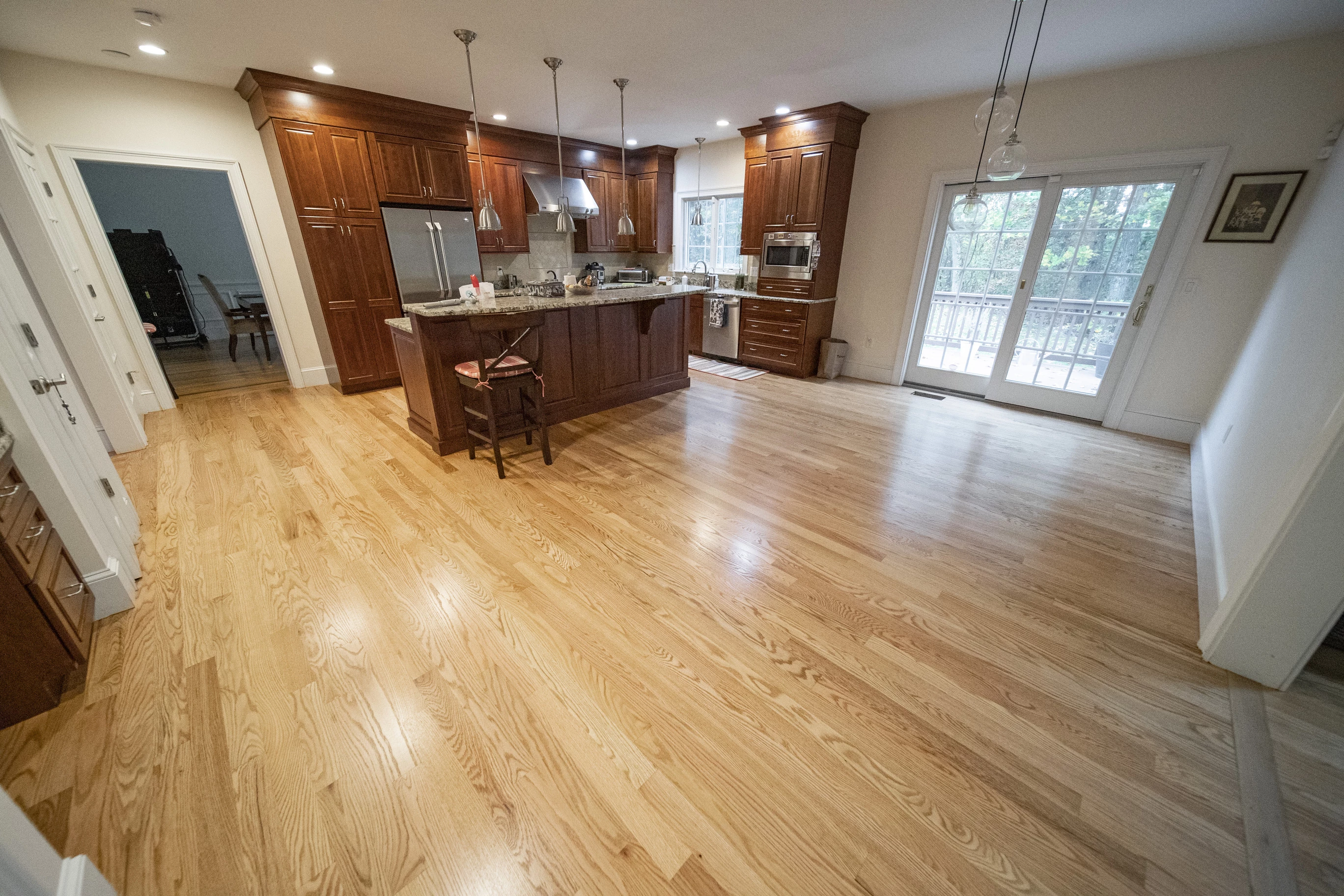
Have you been wondering what is the best stain color for hardwood floors? The Floors Are Us experts have decided to compile a comprehensive guide to wood stains, helping you choose a stain that not only enhances the natural beauty of your hardwood but also protects it from different kinds of damage, including water damage. Among the most popular stain colors in 2025 are natural light wood tones, including warm browns, honey tints, and caramel hues. Continue reading to determine which stain color is best suited for your space.
Trending Hardwood Stain Colors This Year
So what is the most popular stain color for hardwood floors in 2025? Though there’s no single answer to this question, there are several trends leading this season that might help you define the best option for your space.
Criterion | Warm neutrals | Grey | Dark colors | Light wood |
Color | Walnut, red oak, golden maple, honey | Soft/misty grey, driftwood | Ebony, espresso | White oak floors, natural maple |
Best for | All types of interiors (timeless, elegant, cozy) | Mostly rustic, also fits modern designs | Formal spaces, modern style | Minimalist, loft style |
Maintenance level | Moderate | Moderate | High | Low |
Price* | $1.50–$5 per sq ft | $2–$6 per sq ft | $3–$8 per sq ft | $1.50–$4 per sq ft |
*Keep in mind that the exact pricing will depend on the type of hardwood you choose, stain brands, and size of your space.
After reviewing some of the most wanted hardwood stains of the year, you can compare your individual needs against the qualities of each stain type. The final choice will depend on your interior design and price range, which is the most suitable for you.
Which Stain Colors Work with Different Wood Types
When choosing the best stain for hardwood floors, considering the match between your wood species and the stain type is a crucial step. Below, the Floors Are Us professionals collected the main types of wood with compatible stain options to simplify your choice.
Type of wood | Stain options |
Reddish woods (oak, cherry, mahogany) | Coordinating tones: browns, reds, warm golden Contracting tones: blues, greens, grays |
Yellowish woods (ash, maple) | Coordinating tones: light crown, golden Contracting tones: browns, blacks |
Neutral woods (white oak) | Coordinating tones: from light to dark—you can pair neutral woods with any type of stain |
After reviewing the types of wood and matching stain options, you can make an informed decision about the best floor stain in your specific case. However, before making the final decision, check out the following points of our article analysing other criteria of selecting the right stain.
What to Consider Before Choosing Your Floor Stain Color
Considering the most popular hardwood floor stain colors is not enough to choose the right stain for your hardwood. Besides looking at trends, make sure to check the application methods, maintenance specifics, and costs. These factors might tell you more about the stain and help you make the right choice.
Methods for Applying Floor Stain
While contemplating the stain application methods, keep in mind that different types of wood and stains require different approaches to application. For example, gel stains are thicker and tend to sit on the surface longer, while water-based stains penetrate into the wood structure quickly.
Check out stain application techniques from the Floors Are Us professionals:
1. Wipe On/Off
Apply the stain on the surface using a piece of cloth. Let the stain soak into the flooring structure and wipe the excess stain within a few minutes.
2. Brushing
To use this approach, apply a thin coat of the stain using a brush. Wipe stain drops immediately.
3. Rubbing
For this technique, you’ll need a piece of steel wool. Dip a wire sponge in the stain, squeezing the excess. Rub the stain into the hardwood using the steel wool.
4. Layering
Layering is an optimal approach for all types of stains, as it allows you to deepen the color and enhance the overall aesthetic of your flooring. Apply multiple thin coats to maximize the effect.
Whatever application technique you choose, always test your stain and approach on a small piece of wood. This way, you’ll make sure the application method you’ve chosen works as you expected and it’s safe to cover the rest of the surface with the stain.
Maintaining Stained Floors
When choosing the best stain for wood floors, make sure to consider maintenance tips that will help you take good care of your stained flooring from day one.
How to preserve the aesthetic look of your stained hardwood?
Daily care
Sweep your stained flooring daily and damp mop it at least once every few days using warm water and pH-neutral cleaning products.
Avoid harsh chemicals and moisture damage
Never apply cleaners consisting of ammonia, bleach, or strong detergents. Before using any cleaning product, consult with a flooring expert to avoid damaging your hardwood. Also, make sure to wipe spills immediately to avoid moisture damage.
Prevent signs of wear
Lay an entryway rug to prevent dirt particles from spreading indoors and damaging your hardwood surface. You can also use furniture pads to save your stained flooring from scratches.
Reapply stain
It’s natural for the stain to wear out over time. Whenever you notice your stain wearing out, contact a flooring professional in your area for further assessment.
Cost Considerations
Oftentimes, cost is one of the key factors affecting homeowners’ stain choice. The primary price-forming components are the stain brand, labor costs, and the type of stain (gel, water, or oil-based).
Take a look at a more detailed stain cost breakdown:
Professional vs DIY approach
Professional staining services on average cost from $2 to $5 per square foot. You can calculate the approximate price for your project based on the size of your space. With the DIY approach, you save on labor costs; however, you need to calculate the costs for materials as well as unexpected corrections.
Stain quality and type
Oil-based wood stains offer stunning results at a reasonable price, though the drying time is a bit longer for this type of stain. Water-based stains are your option if you’re looking for a quick result. The cost of a water-based stain is similar to the price for an oil-based stain. Gel stains provide a thicker application and are available at a bit higher price.
Hardwood surface preparation
The cost of staining your hardwood will also depend on the hardwood's condition. If you’re laying the hardwood from scratch, the price will be lower. However, if you’re dealing with an existing hardwood surface, you may need to repair the wood first and then move on to staining.
Common Problems with Certain Wood Types
Uneven color and blotchiness are a homeowner’s worst nightmare. To avoid these problems while staining your hardwood, you should keep in mind the specifics of different types of wood that affect stain application. For example, dense woods, e.g., maple, cherry, are prone to resist even stain penetration, while porous woods, like pine, tend to absorb stain inconsistently.
Check out a more detailed review of common issues with stain application by wood type:
Type of wood | Staining issues |
High-density woods (maple, cherry, alder) | The density prevents stain from penetrating into the wood, resulting in uneven and blotchy appearance |
Porous woods (pine, oak, ash, elm, and hickory) | Heavy wood grain and porous surface obstruct even stain penetration, which can lead to blotchy and uneven look |
Though the above threats may sound scary, we know how to resolve them. To ensure even coating, use wood conditioner before applying the stain. If your wood is difficult to stain, consider a gel stain, which sits on the surface rather than penetrating deep into the wood structure. And finally, remember to always test stains on a small piece of wood to avoid spoiling the whole hardwood surface.
Professional vs DIY Hardwood Floor Staining
When you’re still deciding what the best wood floor stain color is, choosing between the professional and DIY approach is another critical choice you’ll have to make.
Check a review of the pros and cons of each approach to staining your wood floors:
Feature | Professional | DIY |
Cost | Higher upfront costs | Lower upfront; however, may cost more depending on the mistakes |
Time | Quick completion (1-3 days) | May take as long as a week |
Effort | Minimal effort needed | Significant effort and knowledge |
Equipment | Contractors already have all tools and equipment needed | You’ll need to buy/rent staining equipment |
Risk of error | Low risks | High risks considering you don’t have previous hardwood staining experience |
The decision between professional and DIY staining depends on your level of knowledge and experience with hardwood floors. If your expertise is limited, it’s better to go the safe path and hire hardwood flooring contractors to avoid costly and time-consuming mistakes.
The Decision Process: Questions to Ask Yourself
Though the most frequently asked question by homeowners is “What is the best stain for hardwood floors?”, you should also answer the following questions before making the final choice:
What is your preferred design style?
Do you prefer light or dark wood floors?
What is your type of lighting? Different lighting conditions affect the look of your flooring stain.
What are the colors in your room?
What type of wood do you prefer?
What type of stain would you prefer?
Answering the above questions will help you make the final decision about the perfect stain color and type. If you’re still hesitating, contact a trusted hardwood flooring contractor in your area and consult on the best stain for your project.
FAQs
Does my furniture color matter when choosing a floor stain?
The short answer is yes. The best color stain for hardwood floors will complement the furniture color. Instead of matching the exact colors, try to coordinate the tones.
Which is better: oil stain or water stain for floors?
There’s no one-size-fits-all answer when it comes to choosing the right stain for your hardwood. While oil-based stains offer greater durability, they also take longer to dry. On the other hand, water-based stains dry faster and maintain their brightness longer. Thus, the right answer will depend on your priorities.
What's the best way to test different stain colors?
Stains can behave differently based on wood species, lighting, and the number of layers. To test several stain colors, take a small piece of your hardwood, apply different stains to the wood, and let the stain dry completely. Ensuring the intended lighting conditions is another crucial factor you should keep in mind while running the test.
Will mixing stain colors work on oak floors?
Yes, you can mix different stains to create a unique shade for your oak floors. However, keep in mind that oil-based stains don’t mix with water-based ones. Before applying the blend to your flooring, test it on a small piece of wood to make sure you’re happy with the tint.
Do I need a pro to stain my hardwood floors?
If your experience working with hardwood flooring is limited, hire a professional wood staining contractor. This way, you’ll avoid costly mistakes and receive the expected result.
How do I stain floors that have gaps between planks?
There are several approaches to staining floors with gaps between planks. If the gaps are small, use a wood filler of a matching color. For larger gaps, you can use the traditional technique—stain a rope and push it right into the gap. Then, let it dry completely.
Should I choose light or dark stains for my floors?
The answer depends on several factors, including your personal style, the size of the space, the most popular hardwood floor stain colors of the season, etc. For one, if your room is small, a light stain will make it feel larger. If you want to create a cozy atmosphere, choose dark stain shades.